
Omuli Museum
Omuli Primary School welcomed its first students on October 8th, 1936. Situated in the quaint village of Omuli in Northern Latvia, near the Estonian border, the school was commissioned by then-president K. Ulmanis. Over the years, the student population gradually decreased, leading to the transfer of older students to nearby schools.
After 85 years, the school is embarking on a transformational journey, aiming to create a multi-purpose complex with a central focus on a museum dedicated to horses. This unique museum will educate visitors about the nature and history of local horse breeds while offering engaging hands-on workshops, including horseshoe crafting and various small crafts.

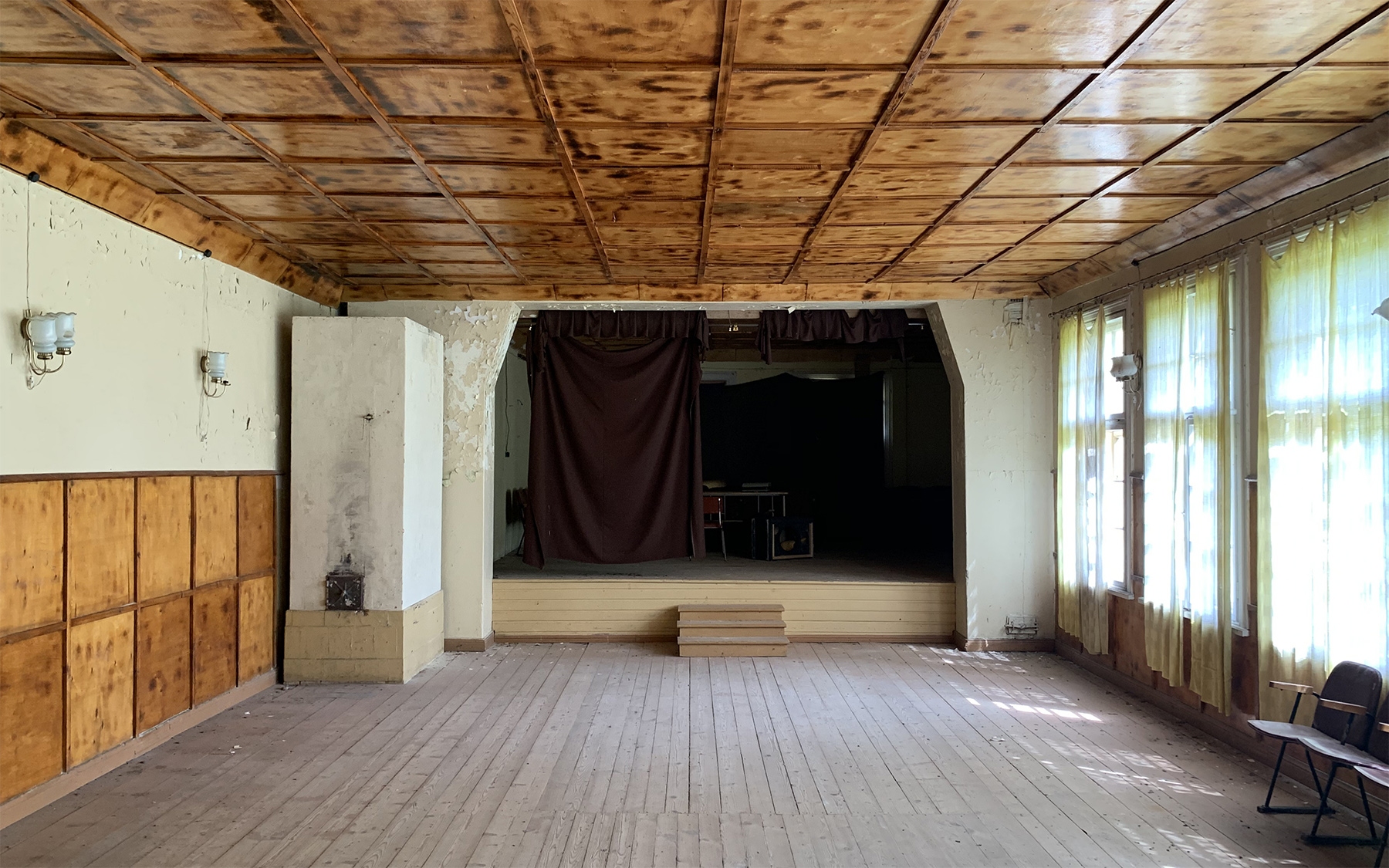
“An equestrian event in Omuli Museum”
The Latvian horse breed, developed from the early 20th century until 1952, resulted from crossing native horses with West European harness and harness-saddle breeds. Known for their elegance and warm temperament, Latvian horses are more suited for equestrian activities rather than horse racing.
Among the equestrian events, eventing stands out, wherein a single horse and rider compete in the disciplines of dressage, cross-country, and show jumping against other competitors.
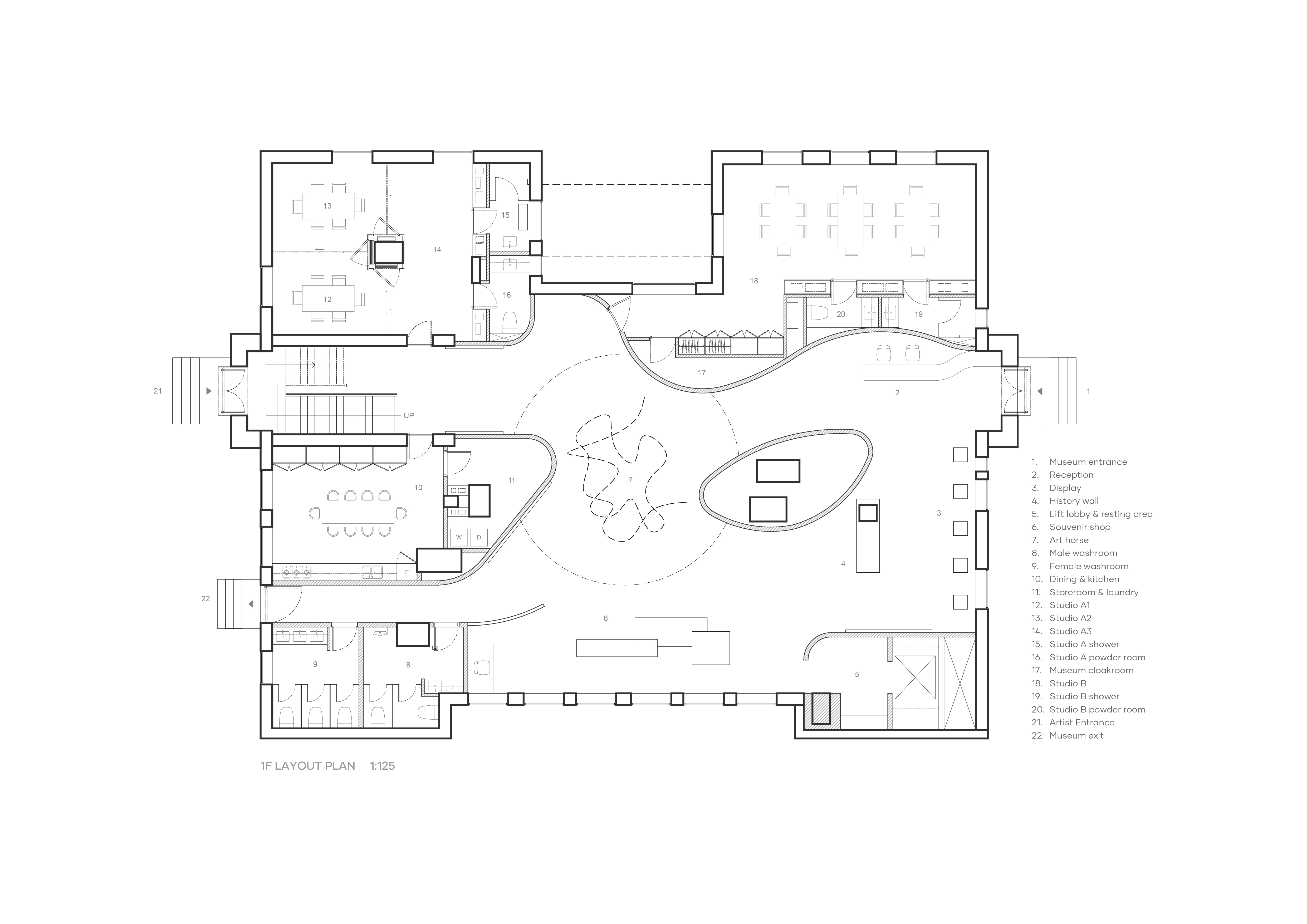
Museum 1F Layout Plan
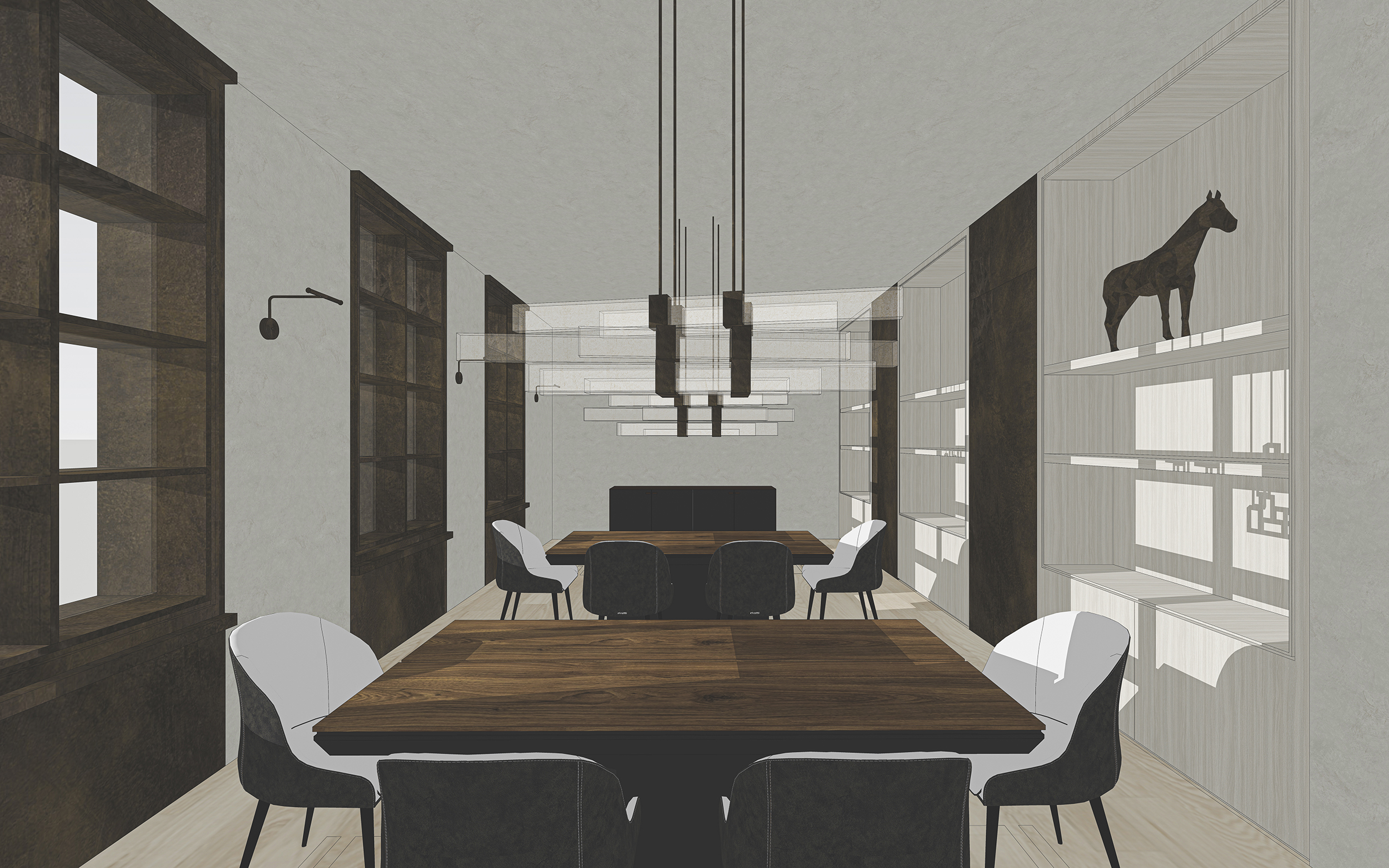
To cater to artists, the workshop areas and kitchen are thoughtfully located on the first floor for added convenience. On the museum floor, captivating displays and paintings showcasing horses will capture visitors’ attention, while a souvenir area will allow them to purchase memorable keepsakes.
The museum features two studios. Studio A can be divided into three sections using movable partitions, while Studio B provides ample workshop space for both artists and museum visitors.
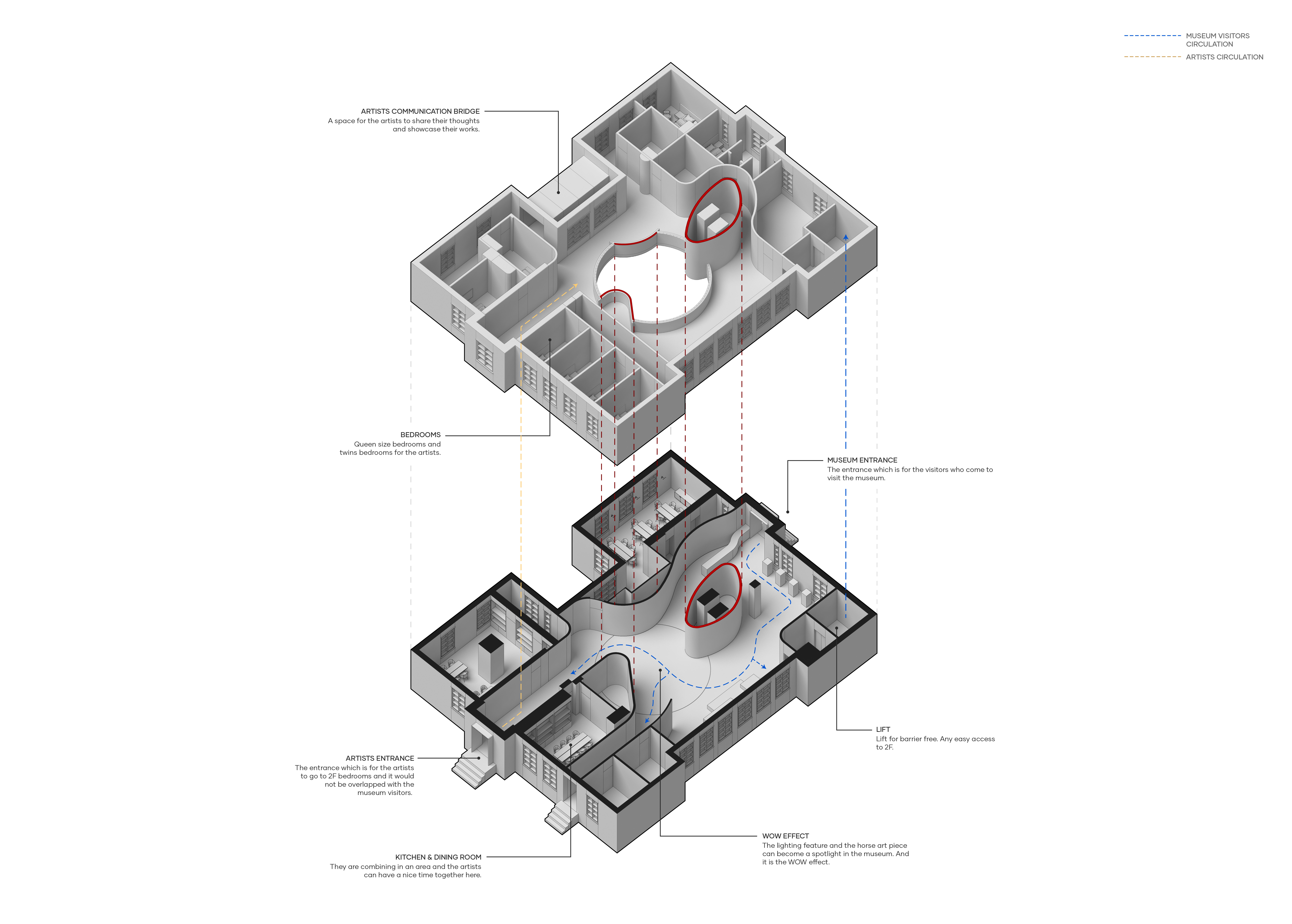
Museum 2F Layout Plan
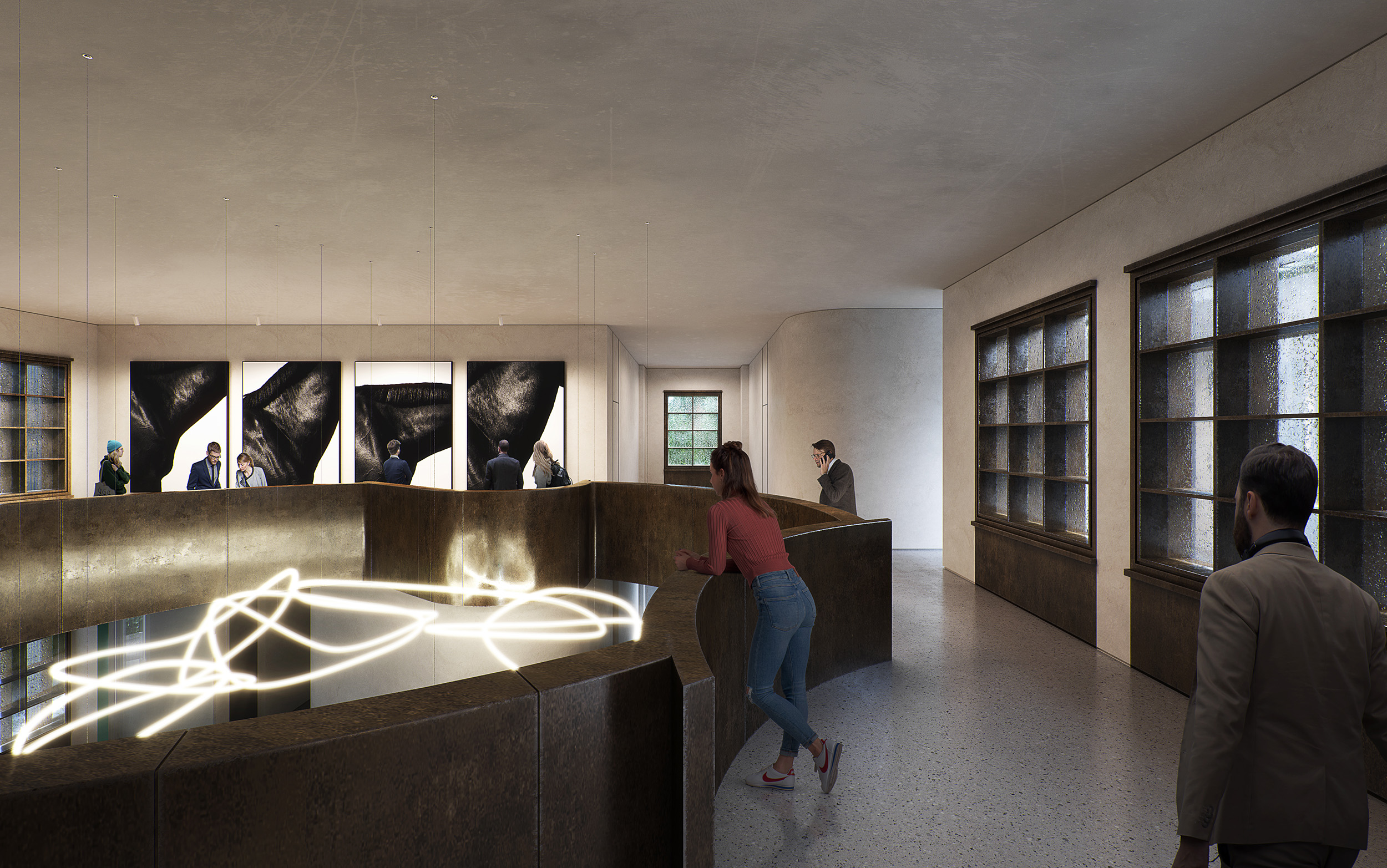
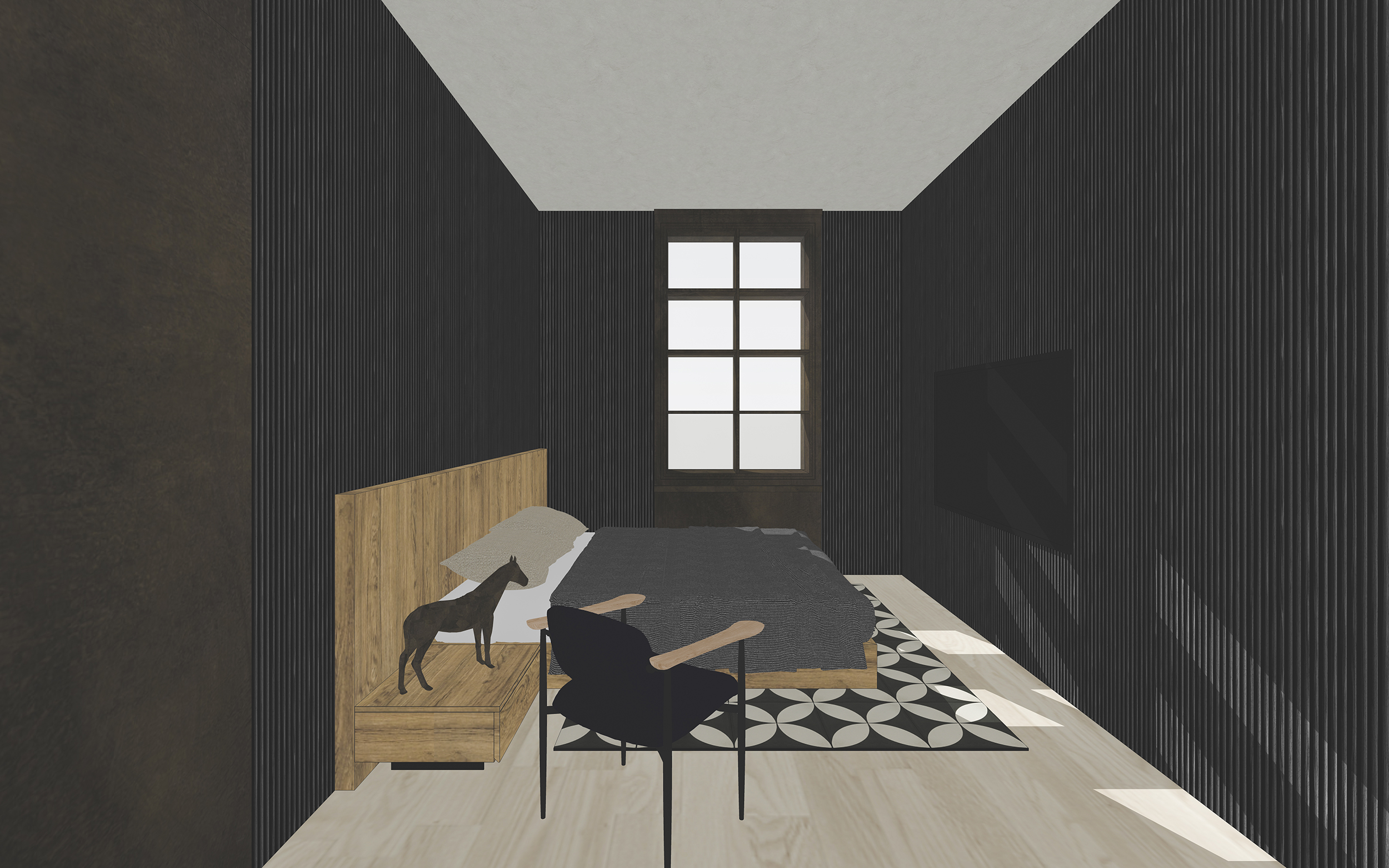
On the second floor, artists have dedicated bedrooms and a communal area for interaction. Visitors are also welcomed to engage with the artists and find moments of relaxation in this inviting space.

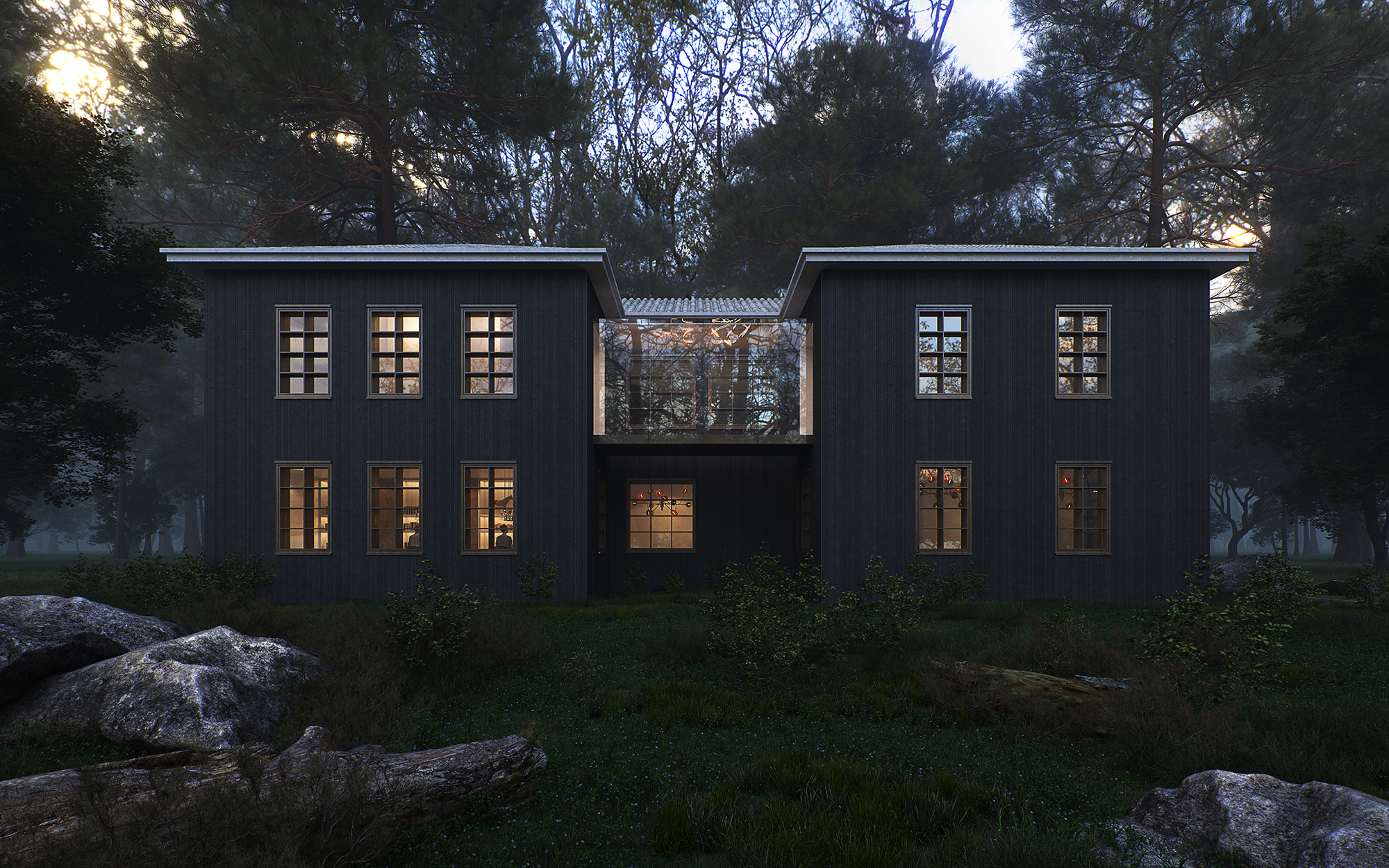

Regarding the architecture of the Omuli Museum, efforts are made to preserve the original form and structure while incorporating modern elements inspired by equestrian themes. A distinct dark concrete strip becomes a prominent architectural feature, adding a contemporary touch to the simple and aged design of the original Omuli School.
Additionally, a glass bridge is introduced on the second floor, serving as a standout external attraction. Sustainability is embraced with the installation of solar panels on the museum’s roof.
“Show Jumping and Cross Country”
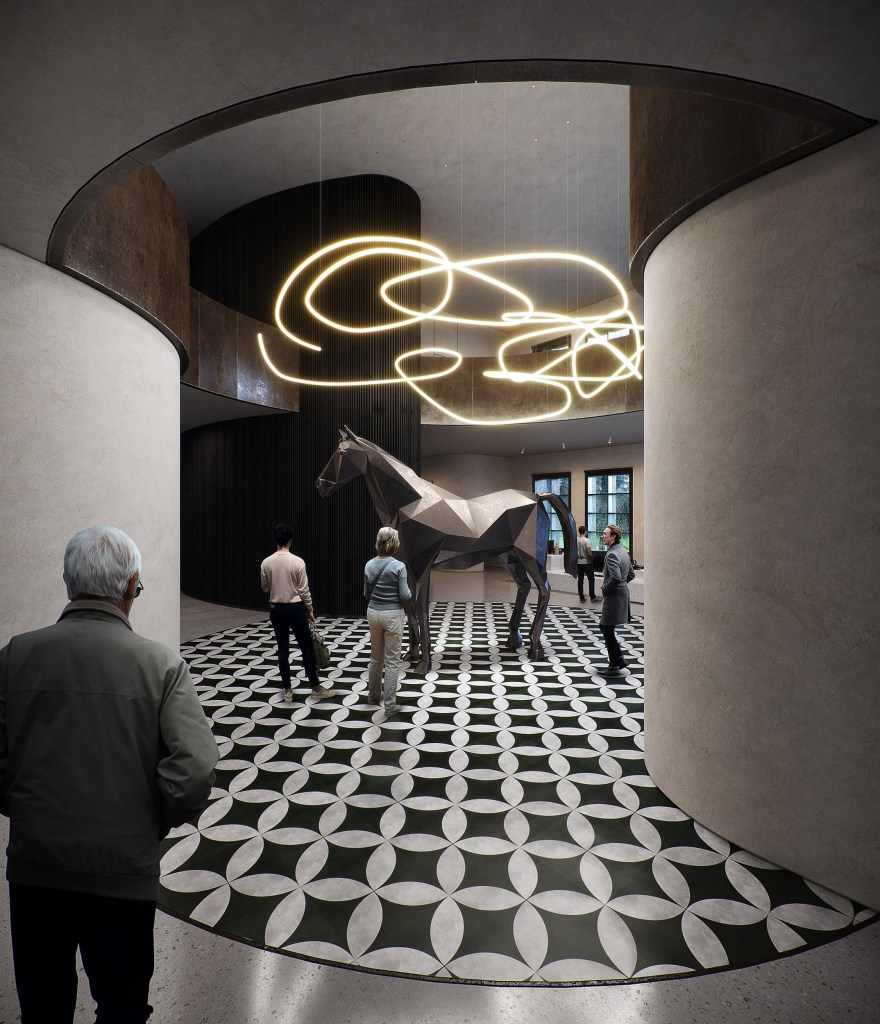
In keeping with the spirit of equestrian events like show jumping and cross country, the traditional square layout or one-direction circulation is replaced with flowing curves, mimicking the experience of participating in these events.
The museum features two main entrances: one for visitors and the other for artists, ensuring smooth and separate circulation paths. A staircase is replaced by a lift for easier access to the second floor.
“Dressage”
Dressage, regarded as the highest form of horse training, calls for the horse and rider to execute a series of predetermined movements from memory. This elegant aspect of equestrian sport influences the museum’s interior, favoring a simple yet impactful design.
Venetian paintings and metal are the primary materials, symbolizing the horse’s skin and horseshoe, respectively. To create a “WOW” effect, a central area within the museum features patterned tiles and lighting installations.

Artists Workshop
Guestrooms
Project Information
Year : 2021
Type : Competition
Client : Omuli Museum
Location : Latvia
Area : 900 sq.m.
Status : Concept
Partner in Charge : Gavin Leung
Fellow in Charge : –
Project Leader : –
Design Team : –
Images : Bagua+Bhava & Parc Omega
Visualisations : Bagua+Bhava & Essanze Visual
Awards : –
About us
Get in touch
Follow us
Subscribe the newsletter
© Copyright 2024 Bagua+Bhava. All Rights Reserved.
 Bagua+Bhava. Interior Design Practice